Target diseases and cases
Dental Anesthesiology
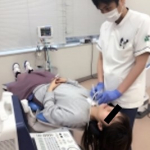
We use general anesthesia and intravenous sedation to provide treatment free from anxiety, tension, pain, and other discomforts. For children and adults who are afraid of dental treatment due to dental phobia, panic disorder, hyperventilation syndrome, etc., or for those with cardiac or respiratory complications such as stroke, hypertension, myocardial infarction, or emphysema, and who are concerned about their symptoms worsening due to tension, a dental anesthesiologist will be present during dental treatment.
[Target conditions] Dental phobia, severe vomiting, existing medical conditions, expected significant pain from treatment, difficulty in administering oral anesthetic injections.
Anesthesia in the treatment of the Division of Pediatric Dentistry
Dental treatment can be a significant mental and physical burden for young children. Our department utilizes general anesthesia and intravenous sedation, including outpatient procedures, to ensure treatment is painless and free from anxiety, tension, and discomfort. We work in collaboration with Division of Pediatric Dentistry physicians to contribute to improving the safety of dental treatment.
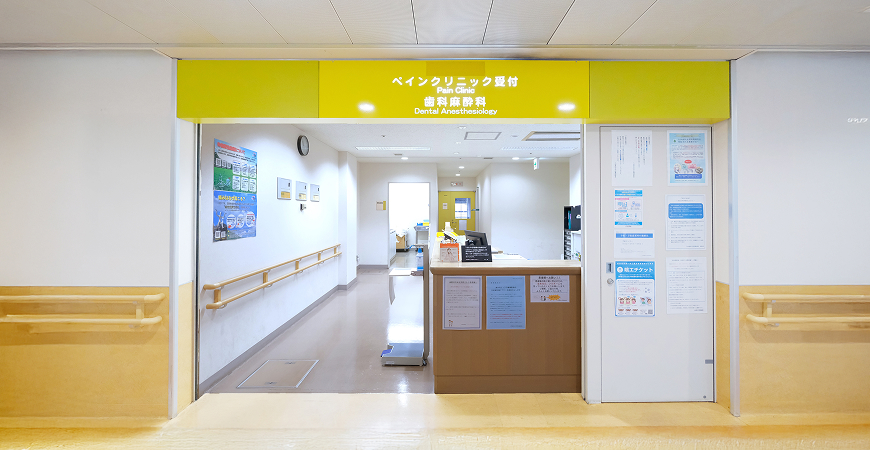
Pain Clinic
This treatment addresses symptoms such as pain in or around the teeth and mouth, abnormal sensations, or loss of sensation. We treat those who feel as if they have tooth pain even though there is no tooth problem, those who have been examined at several dental clinics but no abnormalities were found, those with toothaches of unknown cause, and those who experience abnormal sensations or loss of sensation around the mouth after oral implants or tooth extraction.
[Target Diseases] Paralytic diseases: Traumatic trigeminal nerve palsy, facial nerve palsy, etc. Painful diseases: Trigeminal neuralgia, glossopharyngeal neuralgia, myofascial pain, oral burning, trigeminal herpes zoster, facial (tooth) pain of unknown cause, migraine, cluster headache, cancer pain, etc.
Characteristics of Examinations, Treatments, and Clinical Cases
Dental Anesthesiology
[Intravenous Sedation] This method involves administering calming or sedative medications intravenously to reduce fear and anxiety during dental treatment. A dental anesthesiologist will be present to assist patients who experience abnormally high blood pressure or rapid pulse when nervous, or those with paralysis after a stroke.
[General Anesthesia] In cases where intravenous sedation is deemed insufficient, general anesthesia may be used.
Pain Clinic
There are many causes of facial and oral pain besides dental caries, periodontal disease, and temporomandibular joint disorder, but we listen carefully to the pain that our patients report. We quantify the severity of nerve paralysis caused by dental treatment using the latest equipment and inform you of the results. Based on our accumulated experience treating paralysis cases, we propose the most appropriate treatment method. Our main treatments are drug therapy, nerve block therapy, and physical therapy, but we also offer treatment using Oriental medicine (herbal medicine, acupuncture).
Medical treatment results
2022
Annual number of patients
approx
3,078
First name
daily average
approx 20First name
■ Treatment for orofacial pain, sensory paralysis, and motor paralysis
Drug therapy: 2,033 cases; nerve block therapy: stellate ganglion block 2,017 cases, trigger point block (myofascial release) 987 cases, peripheral trigeminal nerve and trigeminal ganglion block 50 cases, etc.; 36 cases of ketamine therapy for intractable pain (chronic pain).
- Certified facility of the Japanese Society of Dental Anesthesiology
• Certified facility of the Japanese Society of Orofacial Pain